
What Is Phlebotomy? A Guide to the Profession and Its Role in Healthcare
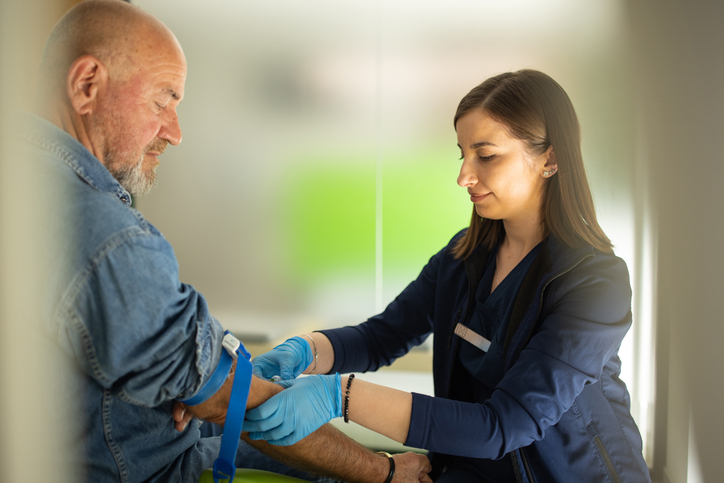
If you've ever had blood drawn for laboratory testing, you've likely interacted with a phlebotomist. But what is phlebotomy, and what role do phlebotomy professionals play in healthcare? Phlebotomy is the practice of collecting blood specimens from patients for laboratory testing, transfusion services, blood donation, or medical treatment. Because many healthcare decisions depend on laboratory results, proper specimen collection is an important part of patient care.
Whether you're considering a career in healthcare or simply want to understand the profession better, this guide explains what phlebotomy is, what a phlebotomy technician does, and how to enter the field.
What Is Phlebotomy?
Many people search for "what is a phlebotomy," but phlebotomy is not a person or a test. Phlebotomy is the process of drawing blood from a patient using specialized collection equipment and procedures. The word phlebotomy comes from the Greek words phleb, meaning vein, and tomy, meaning to cut. Modern phlebotomy involves accessing a vein, most commonly in the arm, to collect blood samples for diagnostic testing.
Blood specimens collected through phlebotomy may be used to:
- Diagnose diseases and medical conditions
- Monitor ongoing treatments
- Evaluate organ function
- Screen for infections
- Assess overall health
- Support blood transfusion services
Because laboratory testing influences many medical decisions, proper specimen collection is essential to obtaining accurate results.
What Is a Phlebotomy Technician?
A phlebotomy technician is a healthcare professional trained to collect blood specimens safely and accurately. Individuals searching for "what is a phlebotomy technician" are often surprised to learn that the job involves much more than simply drawing blood. Phlebotomy technicians are responsible for several important tasks, including:
- Verifying patient identity
- Explaining collection procedures
- Selecting appropriate collection equipment
- Performing venipuncture and capillary puncture procedures
- Labeling specimens correctly
- Following infection control practices
- Maintaining patient safety
- Transporting specimens according to laboratory requirements
Phlebotomy technicians frequently interact with patients who may be anxious about needles or blood collection. Strong communication skills and professionalism are important components of the role.
Where Do Phlebotomists Work?
Phlebotomists can work in a variety of healthcare settings, including:
- Hospitals
- Physician offices
- Clinical laboratories
- Outpatient clinics
- Urgent care centers
- Blood donation centers
- Public health facilities
- Mobile phlebotomy services
Some phlebotomists specialize in working with specific patient populations, such as pediatric, geriatric, or critically ill patients. According to the U.S. Bureau of Labor Statistics, employment opportunities for phlebotomists are expected to remain strong as healthcare systems continue to rely on laboratory testing for diagnosis and treatment decisions.¹
What Skills Are Needed for Phlebotomy?
Successful phlebotomists combine technical abilities with interpersonal skills.
Important skills include:
- Technical Skills
- Venipuncture techniques
- Capillary collection procedures
- Specimen handling and processing
- Infection control practices
- Patient identification procedures
- Understanding laboratory requirements
- Soft Skills
- Communication
- Attention to detail
- Compassion
- Professionalism
- Time management
- Problem-solving
Because specimen quality begins with collection, attention to detail is especially important. Collection errors can affect laboratory results and may require repeat testing.
How Do You Become a Phlebotomist?
Requirements vary by employer and state, but the typical pathway includes:
- Completing a phlebotomy training program
- Gaining hands-on clinical experience
- Meeting eligibility requirements for certification
- Passing a national certification examination, if desired or required
Many employers prefer or require professional certification through organizations such as:
- American Society for Clinical Pathology (ASCP)
- National Healthcareer Association (NHA)
- American Medical Technologists (AMT)
- National Center for Competency Testing (NCCT)
While certification requirements vary, earning a credential can demonstrate competency and improve employment opportunities. Those preparing for certification exams may benefit from practice questions, study materials, and continuing education resources. PhlebCE offers educational resources designed to help phlebotomy professionals strengthen their knowledge and maintain professional development.
Why Is Phlebotomy Important?
Phlebotomy serves as the starting point for much of modern laboratory medicine.
Even the most advanced laboratory equipment cannot compensate for a specimen that was collected improperly. Proper patient identification, collection technique, specimen labeling, and handling all contribute to accurate laboratory results.
A skilled phlebotomist helps ensure:
- Accurate testing
- Improved patient safety
- Reduced specimen rejection rates
- Efficient laboratory workflows
- Better healthcare outcomes
Because of this responsibility, phlebotomists play an important role in the healthcare team.
Understanding what phlebotomy is provides insight into one of healthcare's most important support professions. Phlebotomy involves the collection of blood specimens used for diagnosis, monitoring, and treatment decisions. A phlebotomy technician combines technical expertise, attention to detail, and patient care skills to help ensure accurate laboratory testing.
Whether you are exploring healthcare careers or preparing for professional certification, developing a strong understanding of phlebotomy fundamentals is an important first step.
To continue building your knowledge, explore the educational resources and continuing education opportunities available through PhlebCE or for students, PhlebReview.
References
- American Society for Clinical Pathology. (n.d.). Board of certification. https://www.ascp.org/content/board-of-certification
- Clinical and Laboratory Standards Institute. (2017). Collection of diagnostic venous blood specimens (GP41). Clinical and Laboratory Standards Institute. https://clsi.org/standards/products/general-laboratory/documents/gp41/
- National Healthcareer Association. (n.d.). Certified phlebotomy technician (CPT). https://www.nhanow.com/certifications/phlebotomy-technician-cpt
- PhlebCE. (n.d.). Continuing education resources for phlebotomy professionals. https://phlebce.com
- U.S. Bureau of Labor Statistics. (2025). Phlebotomists. Occupational Outlook Handbook. https://www.bls.gov/ooh/healthcare/phlebotomists.htm
- World Health Organization. (2010). WHO guidelines on drawing blood: Best practices in phlebotomy. World Health Organization. https://www.ncbi.nlm.nih.gov/books/NBK138650/
