
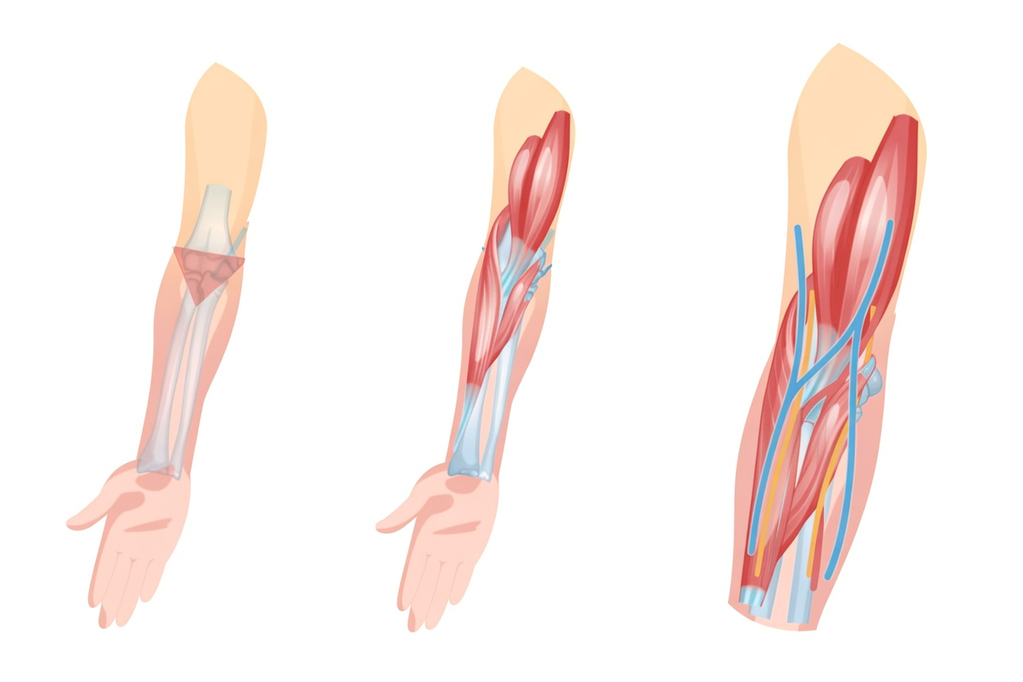
Phlebotomy Veins of the Arm: Understanding Common Venipuncture Sites
Successful venipuncture begins with proper vein selection. For students and healthcare professionals alike, understanding the phlebotomy veins of the arm is one of the most important foundational skills in specimen collection. Choosing the appropriate vein can improve patient comfort, increase collection success rates, and reduce the risk of complications.
While every patient presents unique challenges, certain veins are commonly preferred because of their size, stability, and accessibility.
This guide reviews the major veins used for venipuncture, factors that influence vein selection, and best practices for successful blood collection.
Why Vein Selection Matters
Proper vein selection plays a critical role in specimen quality and patient safety.
Choosing the right vein can help:
- Improve collection success
- Reduce patient discomfort
- Minimize bruising
- Prevent multiple needle sticks
- Reduce specimen hemolysis
- Improve workflow efficiency
Poor vein selection can increase the likelihood of failed collections and patient dissatisfaction.
The Preferred Venipuncture Site
The most common location for venipuncture is the antecubital area, sometimes referred to as the antecubital fossa.
This area is located on the inner aspect of the arm near the elbow and contains several veins that are commonly used for blood collection.
The three primary veins evaluated during venipuncture include:
- Median Cubital Vein
- Cephalic Vein
- Basilic Vein
These veins form the foundation of most phlebotomy training programs.
Median Cubital Vein
The median cubital vein is generally considered the first-choice vein for routine venipuncture.
Advantages
- Usually large and well anchored
- Less likely to roll
- Often easy to palpate
- Typically associated with lower complication rates
Because of its stability, the median cubital vein is often the preferred site for both new and experienced phlebotomists.
Location
The median cubital vein crosses the center of the antecubital area and often connects the cephalic and basilic veins.
Many phlebotomy textbooks identify this vein as the ideal venipuncture site whenever it is accessible.
Cephalic Vein
The cephalic vein is generally considered the second-choice vein.
Advantages
- Often easier to locate in individuals with obesity
- Frequently remains accessible when the median cubital vein is not suitable
- Usually well defined
Challenges
- May be more difficult to anchor
- Can occasionally roll during collection
Location
The cephalic vein is located on the thumb side (lateral side) of the arm.
It often becomes the preferred alternative when the median cubital vein cannot be used.
Basilic Vein
The basilic vein is commonly considered the third-choice vein.
Advantages
- May be large and prominent
- Can serve as an alternative collection site when other veins are unavailable
- Challenges
- Tends to roll more easily
- May be less securely anchored
- Lies near important nerves and arteries
Because of these considerations, extra caution is required when selecting the basilic vein.
Location
The basilic vein is located on the little finger side (medial side) of the arm.
Although it can be a suitable collection site, many phlebotomists prefer to evaluate the median cubital and cephalic veins first.
Vein Selection Priority
A commonly taught order of preference is:
|
Priority |
Vein |
|
First Choice |
Median Cubital Vein |
|
Second Choice |
Cephalic Vein |
|
Third Choice |
Basilic Vein |
This sequence is based on safety, accessibility, and ease of collection.
However, patient-specific factors may alter the selection process.
Vein Assessment: Look and Feel
One of the most important skills in phlebotomy is learning to assess veins through both visual inspection and palpation.
Experienced phlebotomists often rely more heavily on palpation than appearance alone.
A suitable vein typically feels:
- Soft
- Resilient
- Bouncy
- Well anchored
A vein that is visible is not always the best choice for collection.
Factors That Affect Vein Selection
Several patient-related factors can influence vein accessibility.
Hydration Status
Dehydration may make veins less prominent and more difficult to access.
Age
Pediatric and geriatric patients often present unique challenges due to vein size or fragility.
Medical Conditions
Certain conditions may affect vein quality, including:
- Chronic illness
- Chemotherapy treatment
- Repeated venipuncture
- Vascular disease
Body Composition
Veins may be more difficult to visualize in some patients, requiring greater reliance on palpation skills.
Veins and Areas to Avoid
Not every vein should be used for routine blood collection.
Phlebotomists should avoid sites that may increase patient risk or compromise specimen quality.
Examples may include:
- Areas with hematomas
- Scarred tissue
- Burned tissue
- Sites with active infection
- Edematous areas
- Arms on the side of certain surgical procedures (per facility policy)
Always follow facility-specific guidelines and provider instructions.
Tips for Finding Difficult Veins
When veins are difficult to locate, several techniques may help.
Apply the Tourniquet Properly
A properly applied tourniquet helps increase venous filling.
Allow the Arm to Hang Downward
Gravity may help improve vein prominence.
Use Gentle Warming
Facility-approved warming techniques may increase blood flow and improve vein visibility.
Take Your Time
Rushing often leads to poor vein selection decisions.
Careful assessment frequently improves first-attempt success rates.
Why Vein Anatomy Is Important for Certification Exams
Knowledge of phlebotomy veins of the arm is commonly tested on certification examinations offered by organizations such as:
- ASCP
- NHA
- AMT
- NCCT
- NHCO
Candidates are often expected to identify preferred venipuncture sites and understand factors influencing vein selection.
Understanding vein anatomy also supports safer and more effective patient care in clinical practice.
Continuing Education and Skill Development
Vein assessment is a skill that improves with experience and ongoing education.
Topics such as:
- Difficult draws
- Patient positioning
- Vein preservation
- Specimen quality
These can help phlebotomists continue developing their collection expertise.
PhlebCE offers continuing education resources designed to help phlebotomy professionals strengthen their clinical knowledge and maintain professional competency.
Understanding the phlebotomy veins of the arm is essential for safe and effective specimen collection. The median cubital, cephalic, and basilic veins serve as the primary venipuncture sites, with the median cubital vein generally considered the preferred choice.
By combining anatomical knowledge, strong assessment skills, and proper technique, phlebotomists can improve collection success while promoting patient comfort and specimen quality.
References
- Clinical and Laboratory Standards Institute. (2017). Collection of diagnostic venous blood specimens (GP41). Clinical and Laboratory Standards Institute. https://clsi.org/standards/products/general-laboratory/documents/gp41/
- National Accrediting Agency for Clinical Laboratory Sciences. (n.d.). NAACLS. https://www.naacls.org
- National Healthcare Certification Organization. (n.d.). NHCO. https://nhco.org
- PhlebCE. (n.d.). Continuing education resources for phlebotomy professionals. https://phlebce.com
- World Health Organization. (2010). WHO guidelines on drawing blood: Best practices in phlebotomy. World Health Organization. https://www.ncbi.nlm.nih.gov/books/NBK138650/
