
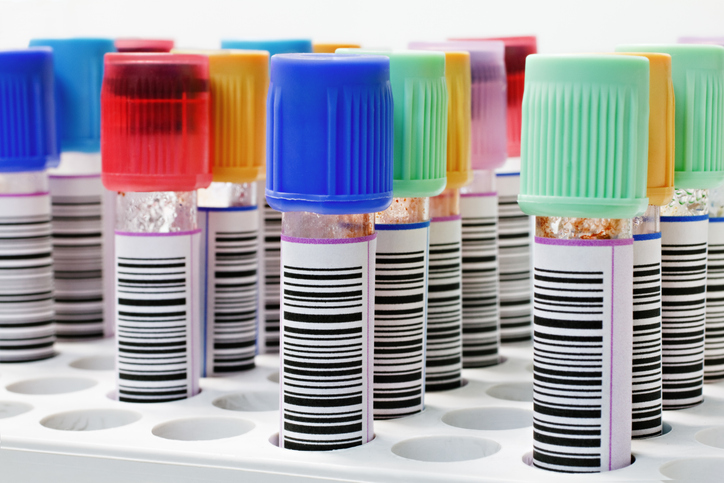
Order of Draw Phlebotomy: Understanding the Correct Tube Collection Sequence
One of the most important concepts in specimen collection is understanding the order of draw phlebotomy professionals follow during venipuncture procedures. The order of draw is the recommended sequence for collecting blood tubes during a multi-tube collection. Following the correct sequence helps prevent additive carryover, which can affect laboratory results and potentially lead to inaccurate patient testing.
Whether you're a phlebotomy student preparing for certification or an experienced professional reviewing best practices, understanding the order of draw remains a fundamental skill.
What Is the Order of Draw in Phlebotomy?
The order of draw refers to the sequence in which blood collection tubes are filled during a venipuncture procedure.
Many collection tubes contain additives such as anticoagulants, clot activators, or preservatives. If these additives accidentally transfer from one tube to another, laboratory results may be affected. This phenomenon is known as additive carryover.
For example, EDTA contamination from a lavender-top tube can falsely elevate potassium levels and decrease calcium results, potentially leading to incorrect clinical interpretations.
To minimize these risks, phlebotomists follow a standardized collection sequence recommended by the Clinical and Laboratory Standards Institute (CLSI).¹
Standard Phlebotomy Order of Draw
The most commonly accepted phlebotomy order of draw is:
|
Order |
Tube Type |
Common Color |
|
1 |
Blood Cultures |
Yellow bottles or culture bottles |
|
2 |
Coagulation Tubes |
Light Blue |
|
3 |
Serum Tubes |
Red, Gold, Tiger Top |
|
4 |
Heparin Tubes |
Green |
|
5 |
EDTA Tubes |
Lavender, Pink |
|
6 |
Glycolytic Inhibitor Tubes |
Gray |
Students often memorize this sequence as:
Blood Cultures → Light Blue → Serum → Green → Lavender → Gray
This order helps reduce the likelihood of additive contamination between specimens.
Why Is the Phlebotomy Order of Draw Important?
The order of draw phlebotomy professionals use is designed to protect specimen integrity.
Improper tube sequencing can result in:
- Contaminated specimens
- Inaccurate laboratory results
- Specimen rejection
- Repeat collections
- Delays in patient care
Even small amounts of additive contamination can significantly impact certain laboratory tests.
For example:
- EDTA contamination may increase potassium results.
- EDTA contamination may decrease calcium results.
- Citrate contamination can affect coagulation testing.
- Clot activator contamination may interfere with specialized testing.
Following the recommended sequence helps ensure accurate laboratory analysis.
Order of Draw Phlebotomy Chart
Students frequently search for an order of draw phlebotomy chart to help memorize tube sequencing.
A simplified chart appears below:
|
Tube Color |
Typical Use |
|
Blood Culture Bottles |
Microbiology cultures |
|
Light Blue |
Coagulation studies (PT, INR, aPTT) |
|
Red |
Serum testing |
|
Gold/Tiger Top |
Chemistry and serology testing |
|
Green |
Plasma chemistry testing |
|
Lavender |
Hematology testing |
|
Pink |
Blood bank testing |
|
Gray |
Glucose and lactate testing |
It is important to remember that tube color alone does not determine placement in the sequence. The additive contained within the tube is what determines its position in the order of draw.
Order of Draw in Phlebotomy Tubes and Tests Chart
Students often ask for an order of draw in phlebotomy tubes and tests chart that connects tube types with common laboratory testing.
|
Tube Color |
Additive |
Common Tests |
|
Light Blue |
Sodium Citrate |
PT, INR, aPTT |
|
Red |
None or Clot Activator |
Chemistry, Serology |
|
Gold/Tiger Top |
Clot Activator + Gel Separator |
CMP, Lipid Panel |
|
Green |
Heparin |
Electrolytes, Chemistry |
|
Lavender |
EDTA |
CBC, Hematology |
|
Pink |
EDTA |
Blood Bank Testing |
|
Gray |
Sodium Fluoride/Potassium Oxalate |
Glucose, Lactate |
Individual laboratory requirements may vary, so phlebotomists should always follow facility-specific policies when collecting specimens.
Common Order of Draw Mistakes
Several collection errors occur frequently among new phlebotomists.
Collecting Tubes Out of Sequence
Drawing tubes in the wrong order increases the risk of additive carryover and specimen contamination.
Forgetting Blood Cultures First
Blood cultures are collected before other tubes during routine venipuncture because contamination can affect microbiology testing.
Assuming Tube Color Alone Determines Order
Different manufacturers may produce tubes with varying colors or labels. Understanding the additive and intended use is more important than memorizing colors alone.
Failing to Follow Laboratory Policies
While the CLSI provides widely accepted guidance, individual facilities may have specific requirements for certain collections.
Tips for Memorizing the Order of Draw
Many students find tube sequence memorization challenging at first.
Helpful strategies include:
- Using flash cards
- Practicing with tube color charts
- Creating memory aids
- Reviewing collection scenarios
- Repeating the sequence during clinical practice
Most phlebotomy certification examinations expect candidates to understand the standard order of draw and recognize situations where improper sequencing could affect specimen quality.
If you are preparing for a certification exam, practice questions and review materials can help reinforce these concepts. PhlebCE offers continuing education resources designed to support phlebotomy professionals throughout their careers.
Understanding the order of draw phlebotomy professionals follow is essential for maintaining specimen integrity and ensuring accurate laboratory results. The correct sequence minimizes additive carryover, reduces collection errors, and supports quality patient care.
Whether you are preparing for a certification exam or working in a clinical setting, mastering the order of draw remains one of the most important technical skills in phlebotomy.
References
- Centers for Disease Control and Prevention. (n.d.). Laboratory quality resources. https://www.cdc.gov/labquality/index.html
- Clinical and Laboratory Standards Institute. (2017). Collection of diagnostic venous blood specimens (GP41). Clinical and Laboratory Standards Institute. https://clsi.org/standards/products/general-laboratory/documents/gp41/
- PhlebCE. (n.d.). Continuing education resources for phlebotomy professionals. https://phlebce.com
- World Health Organization. (2010). WHO guidelines on drawing blood: Best practices in phlebotomy. World Health Organization. https://www.ncbi.nlm.nih.gov/books/NBK138650/
