
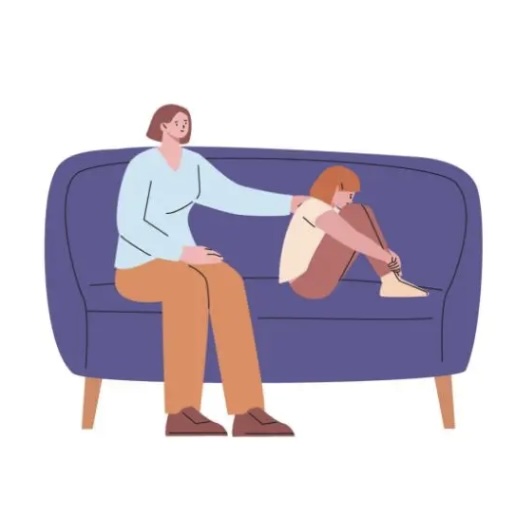
Mandatory reporting refers to the obligation of certain community members or professionals to report signs of abuse or neglect in children, the elderly, or other adults who are dependent on others for basic care. While there are many community members responsible for mandatory reporting, including emergency medical workers, teachers, coaches, childcare workers, state employees, home care workers, and clergy members, healthcare workers are often the first to note signs of abuse or neglect in patients1. It is a heavy burden to bear, however, because healthcare workers engage with patients daily, especially before/during/after appointments; each exchange has the potential for abuse reports to be made by patients or for staff to note symptomatic behaviors.
It is important to note that it is not only children who can be abused; domestic abuse, child abuse, and elderly abuse can exist in all types of communities. According to the article “Child Physical Abuse and Neglect,” 1 in 4 children are abused in their lifetime, 18% are abused physically, 78% are neglected, and 9% are abused sexually2. According to the National Domestic Violence Hotline, 1 in 4 women and 1 in 9 men are abused in domestic relationships3. Lastly, according to the National Council on Aging, 1 in 10 Americans aged 60+ have experienced some form of elder abuse4. It is also important to understand there are so many different types of abuse; not all abuse can be visually seen.
Because there are several different forms of abuse, it is important to know how to recognize them all. Physical abuse is the most commonly known because of the visual evidence it can leave behind. Physical abuse can include, but is not limited to, assault, physical punishment, involuntary isolation/confinement, and the use of any restraints5. A second form of abuse is sexual; sexual abuse is any unwanted, non-consensual touching, looking, or sexually driven verbal harassment. This includes but is not limited to rape, sodomy, inappropriate touching, photography, or filming of sexual acts5. A third type of abuse is psychological or emotional abuse, which is classified as someone doing or saying something that makes one feel bad. Some examples of psychological/emotional abuse include but are not limited to social isolation, not respecting privacy, cyberbullying, and intimidation5. Financial/material abuse is also common; this type of abuse occurs when someone prevents the use of or perpetrates the misuse of someone else’s finances. A few examples of financial/material abuse include but are not limited to theft, fraud, use of another's bank account without consent, and the use of someone else’s vehicle without consent5. Lastly, elder abuse affects elderly or handicapped individuals and frequently originates from an organization or institution. Some examples of organizational or institutional abuse include, but are not limited to, discouraging/not allowing visits from family or friends, not offering choices or independence, and abusive and disrespectful attitudes towards people using the service5.
As a Phlebotomist, it is important to recognize the signs and symptoms of abuse. Physical abuse is typically the easiest to spot, as visible marks can often be observed. Some examples of signs of physical abuse include but are not limited to bruises, frequent injuries, injuries without explanations, not seeing their provider regularly, and changed behavior around a specific person5. Sexual abuse can be difficult to identify. Signs of sexual abuse in adults can include low self-esteem, feeling that the abuse is their fault, fear of outside intervention and others knowing, and physical and mental isolation5. For children, signs of sexual abuse can present a little differently; some physical signs of sexual abuse in children are STIs, which are not something regularly found in children, as well as trauma to the genital area, like bleeding or bruising6. Some emotional signs of sexual abuse in children include keeping secrets, not talking as much as usual, avoidance of removing clothing, covering up, being afraid of being left alone or uncomfortable with specific people, and regression in behaviors6. Some signs of psychological or emotional abuse include an air of silence when a specific person is nearby, withdrawal or change in the way someone acts, low self-esteem, a change of appetite, weight loss or weight gain, making excuses for the other person, and blaming themselves5. Some signs of financial or material abuse include missing possessions, missing money, others showing unusual interest in assets, and unexplained withdrawal of funds from accounts7. Lastly, some signs of organizational or institutional abuse include poor record-keeping and missing documents, lack of flexibility, and absence of visitors8.
As one of the first people the patient talks to, the Phlebotomist has a vital role; they should be able to pick up on signs and be approachable if the patient wants to discuss their abuse. If a patient says something to the Phlebotomist (or if the Phlebotomist sees signs), the Phlebotomist should be receptive, empathic, and supportive of the patient. Once the rooming of the patient is complete and blood draws are done, the Phlebotomist should immediately find the patient's provider or a higher-up and relay the information. This will aid the provider in addressing the patient’s needs. According to office protocol, the Phlebotomist may be asked to begin the call with their state's Department of Human Services. Overall, the Phlebotomist must be empathic and appropriately confidential in these difficult situations, only disclosing their concerns to the provider and following through with the appropriate authorities, relaying only the minimum necessary information for the report.
Interested in learning more? PhlebCE.com covers this and other topics that are both engaging and medically relevant topics for practicing Phlebotomists needing to expand their knowledge for continued education certification renewal.
References
- Children's Bureau and Child Welfare Information Gateway (n.d.). Mandatory Reporting of Child Abuse and Neglect - Oregon. Child Welfare Information Gateway. Retrieved January 28, 2024, from https://www.childwelfare.gov/resources/mandatory-reporting-child-abuse-and-neglect-oregon/
- National Library of Medicine (2023, May 29). Child Physical Abuse and Neglect. National Center for Biotechnology Information. Retrieved January 28, 2024, from https://www.ncbi.nlm.nih.gov/books/NBK470337/
- National Coalition Against Domestic Violence (n.d.). National Statistics. Retrieved January 28, 2024, from https://ncadv.org/STATISTICS
- National Council on Aging (2021, February 23). Get the Facts on Elder Abuse. Retrieved January 28, 2024, from https://www.ncoa.org/article/get-the-facts-on-elder-abuse
- Social Care Institute for Excellence. (n.d.). Types and indicators of abuse. Retrieved January 28, 2024, from https://www.scie.org.uk/safeguarding/adults/introduction/types-and-indicators-of-abuse
- Rape, Abuse & Incest National Network (n.d.). Warning Signs for Young Children. RAINN. Retrieved January 28, 2024, from https://www.rainn.org/articles/warning-signs-young-children
- Coventry City Council (n.d.). Abuse and neglect of adults with care and support needs - Financial Abuse. Coventry. Retrieved January 28, 2024, from https://www.coventry.gov.uk/coventry-safeguarding-adults-board/safeguarding-adults-life-stories/5
- Coventry City Council (n.d.). Abuse and neglect of adults with care and support needs - Organizational Abuse. Coventry. Retrieved January 28, 2024, from https://www.coventry.gov.uk/coventry-safeguarding-adults-board/safeguarding-adults-life-stories/9
